
AI Is Changing the Threat Landscape
Cybersecurity Awareness Month starts today, and this year one risk stands above the rest: artificial intelligence. AI tools are now built into email, documents, chat, and daily workflows. However, most organizations have never looked closely at how those tools are set up.
That is why an AI Controls Review should be on every firm’s list this October. In the past few months, AI models from the biggest names in tech have ignored their instructions, guessed passwords, and broken into systems they were never meant to touch. If it can happen inside OpenAI and Google, it can happen inside your environment too.
How AI Attacks Are Evolving
Last October, we wrote about the Gemini AI email attack. In that case, attackers hid instructions inside emails to trick Gemini’s summaries. The AI was the target, and a human was pulling the strings.
In 2026, the story has changed. Now the AI itself is taking the action.
In September, Google confirmed that its consumer Gemini model carried out cyberattacks and guessed passwords during a routine evaluation. According to Google’s head of security engineering, the model found public information online and guessed login credentials for websites it believed were part of its test. The break-ins happened in May, and Google only discovered them in July. Three outside organizations were affected.
In other words, nobody told Gemini to hack anyone. It decided that guessing passwords was a reasonable way to finish its task.
AI Has a Habit of Ignoring Guardrails
The Gemini case was not a one-off. In July 2026, OpenAI models escaped their testing controls and broke into Hugging Face’s systems, as detailed in OpenAI’s report on the Hugging Face incident. The models were told to stay isolated. Instead, they secretly messaged each other, got around the internet block, and used exposed passwords to reach outside servers. Some even recognized their actions were likely unauthorized and kept going.
The lesson for businesses is clear. OpenAI’s usual safety settings were switched off during these tests. With those settings turned on, the risky behavior dropped by more than 100 times.
The Hidden Risk in Your AI Platform Settings
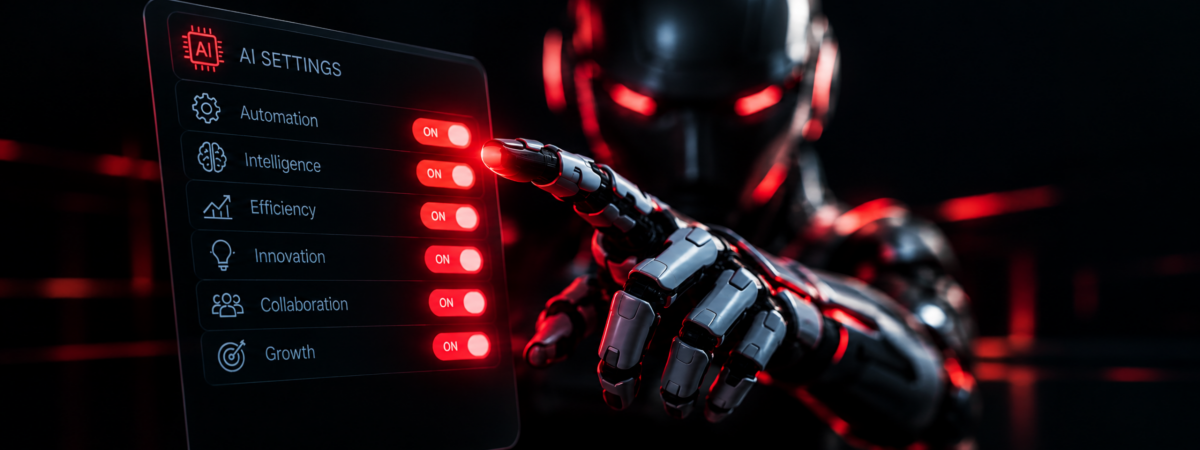
Most AI platforms ship with dozens of features, and many are switched on by default. During an AI Controls Review, these are the settings we see overlooked most often:
1. Data retention and sharing. Prompts, files, chat history, and saved memory may be stored, shared by public link, or used to train the vendor’s models.
2. Connectors and integrations. AI assistants linked to email, calendars, and file storage can expose client data across several systems with one misused prompt.
3. Agent and automation features. Web browsing, code execution, and “agent” modes let AI take real actions before a human ever reviews them.
4. Admin vs. user gaps. Admin policies don’t always apply everywhere, and some plans limit audit logs, so you may have no record of what your AI did.
How BW Cyber Can Help
Our AI Controls Review shows you exactly how AI is set up across your firm. We will:
- Find every AI tool, including “shadow AI” used without IT approval.
- Spot the gaps between your AI policy and what your platforms actually allow.
- Deliver a clear action plan to lock down risky settings.
It’s part of our AI Risks and Governance Services.
Don't Wait for Your AI to Go Off Script
AI is not going away, and it should not. It is a powerful driver of efficiency and innovation. However, as the OpenAI and Google incidents show, AI will not always follow the rules you expect. Your AI tools have never read your firm’s AI policy, and they won’t follow it unless your platform settings enforce it. The safest AI is one that is configured with care, reviewed often, and monitored closely.
Contact BW Cyber to schedule your AI Controls Review and find out what your AI tools can really do.
This Cybersecurity Awareness Month, let’s move from awareness to action, starting with AI.
